



The Four Types of Wayfinding Signs (and How to Use Each One Effectively)
- December 26th, 2025
Ever walked into a hospital, shopping centre, office building or campus and immediately felt lost? You are not alone.
Poor wayfinding is one of the most common frustrations people experience in public and commercial spaces. When signage is unclear or inconsistent, visitors feel confused, stressed and impatient. That frustration often gets passed on to staff at reception desks or service counters.
Well designed wayfinding signs solve this problem quietly and efficiently. They guide people where they need to go, reduce questions, improve safety and create a better overall experience. For businesses and organisations, good wayfinding is not just practical. It reflects professionalism, care and attention to detail.
What Is Wayfinding and Why Does It Matter?
Wayfinding is the system of visual cues that helps people understand where they are, where they need to go and how to get there. It is not just about one sign on a wall. It is about how all signs work together as a clear, logical system.
Good wayfinding helps to:
- Reduce confusion and anxiety for visitors
- Improve accessibility for people of all abilities
- Support safety and emergency movement
- Save staff time spent giving directions
- Strengthen your brand and professionalism
Wanting to help customers find their way safely? Although like pylon wayfinding which are tall and vertical, wayfinding signs are stockier and often shorter in size.
The Four Types of Wayfinding Signs
Most effective wayfinding systems are built using four key sign types. Each serves a different purpose, and skipping one often leads to gaps and confusion.
1. Identification Signs
Helping People Confirm They Are in the Right Place
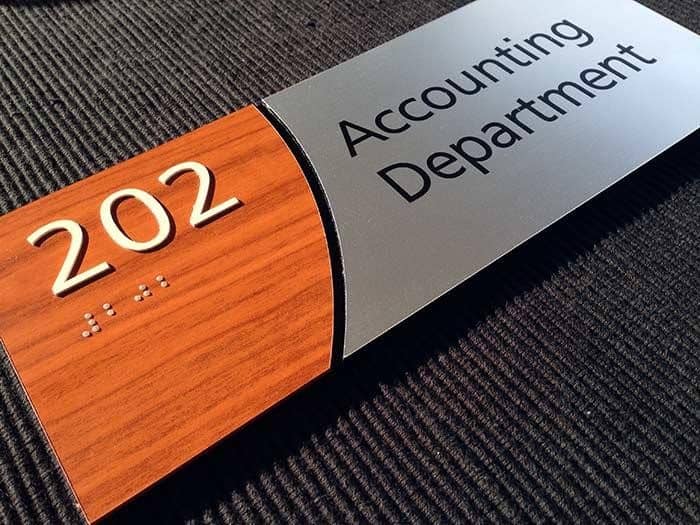
Identification signs tell people exactly where they are. These are usually the first signs someone looks for when they arrive at a destination.
Common examples include:
- Building names at entrances
- Reception signs
- Room numbers and room names
- Toilet, lift and stairwell labels
- Department or floor identifiers
Why identification signs matter
People feel reassured when they can instantly confirm they are in the right place. Without clear identification, visitors second guess themselves and start asking questions or wandering.
How to use identification signs effectively
- Place them directly at entrances, doors or decision points
- Ensure text is clear, legible and large enough to read at a distance
- Use consistent fonts, colours and materials throughout the site
- Consider tactile lettering or braille where required
In environments like medical centres, schools and office buildings, strong identification signage sets the foundation for the entire wayfinding system.
2. Directional Signs
Guiding People From One Point to the Next
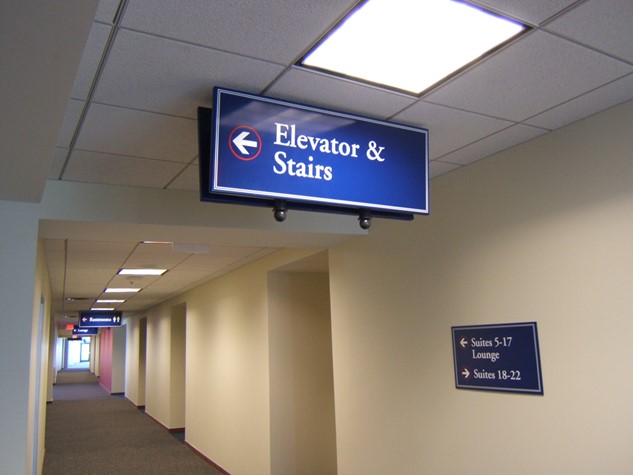
Directional signs show people how to get from where they are to where they want to go. They usually include arrows, distances or simple instructions.
Common examples include:
- Corridor signs pointing to departments or rooms
- Arrow signs in shopping centres
- Car park directional signage
- Floor directory arrows
Why directional signs matter
Even if people know their destination, they still need help navigating complex spaces. Directional signs prevent bottlenecks, backtracking and unnecessary frustration.
How to use directional signs effectively
- Place signs before decision points, not after
- Keep wording short and simple
- Avoid overcrowding signs with too many destinations
- Use consistent arrow styles and terminology
A good rule is to think like a first time visitor. If someone has never been in your building before, will the directions make sense immediately?
3. Informational Signs
Providing Context and Useful Details
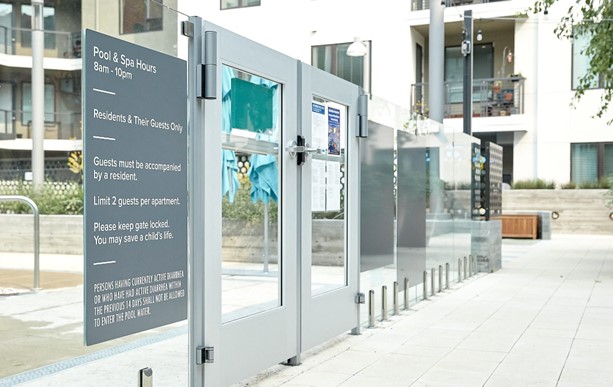
Informational signs give people additional details that support their journey. These signs are not about movement alone but about understanding the space.
Common examples include:
- Building directories and floor maps
- Opening hours signs
- Visitor information boards
- Rules, policies or service explanations
Why informational signs matter
People often need more than just directions. They want reassurance, clarity and context. Informational signage helps them make decisions confidently without asking staff.
How to use informational signs effectively
- Place directories near entrances and lifts
- Keep layouts clean and uncluttered
- Use simple language and logical grouping
- Update information regularly to stay accurate
In large or high traffic spaces, informational signs reduce pressure on staff and improve visitor flow significantly.
4. Regulatory and Safety Signs
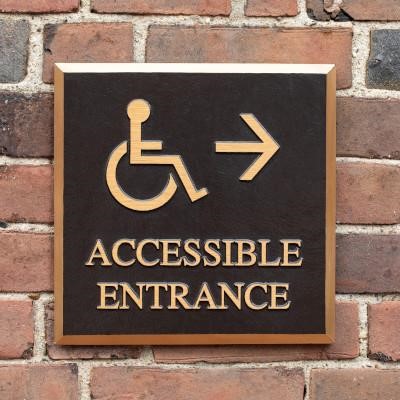
Regulatory and safety signs communicate rules, warnings and emergency information. While they are sometimes overlooked in design discussions, they are a critical part of any wayfinding system.
Common examples include:
- Emergency exit signs
- Fire safety instructions
- No entry or restricted access signs
- Accessibility and compliance signage
Why regulatory signs matter
These signs protect people and businesses. They ensure safe movement, support legal compliance and provide clear guidance in emergencies.
How to use regulatory signs effectively
- Follow Australian Standards for size, colour and placement
- Ensure signs are visible even in low light conditions
- Use universally recognised symbols wherever possible
- Avoid cluttering safety signs with decorative elements
Safety signage should always be clear first and stylish second.
Types of wayfinding signage can include compliance standards, facilities, junction, or landmark signs. Visible due to their size, durability, and compatibility in both external and internal spaces, these double-sided signs are beneficial to all members of the public.
Our passionate team at Swift Signs have over 50 years of experience in the signage business. We always help you to direct customers in the right direction.
How the Four Types Work Together
The biggest mistake businesses make is treating wayfinding signs as individual pieces rather than a system. The most effective environments use all four types together.
A visitor should be able to:
- Identify where they are
- Understand where they need to go
- Follow clear directions to get there
- Feel safe and informed along the way
When one type is missing or poorly executed, the whole experience breaks down.
Choosing the Right Materials and Design
Wayfinding signs need to balance durability, visibility and aesthetics.
Key considerations include:
- Indoor vs outdoor use
- Lighting conditions
- Brand alignment
- Maintenance and longevity
Materials like acrylic, aluminium and vinyl are commonly used, depending on the environment and purpose. Consistent colours, fonts and finishes help reinforce clarity and brand recognition.
If you are unsure what works best, a professional signage team can guide you through options based on your space and traffic levels.
Common Wayfinding Mistakes to Avoid
Even well intentioned signage projects can fall short. Some of the most common issues include:
- Too many signs saying too much
- Inconsistent naming or terminology
- Poor placement at the wrong height or location
- Ignoring accessibility requirements
- Adding signs as an afterthought instead of planning ahead
Good wayfinding is planned early and reviewed regularly as spaces evolve.
Final Thoughts and Call to Action
Wayfinding signs are not just functional tools. They shape how people experience your space, your brand and your business. When done well, they create calm, clarity and confidence without anyone noticing the effort behind them.
If you are planning a new fitout, upgrading an existing space or fixing ongoing navigation issues, working with experienced professionals makes all the difference.
At Swift Signs, we design and manufacture custom wayfinding signage that is clear, compliant and built to last. From concept to installation, our team helps Australian businesses create spaces that simply make sense.
Get in touch with us today to discuss your wayfinding signage needs and create a better experience for every visitor who walks through your doors.